Judo 柔道
Judo · Jujitsu · 柔道 · 柔術
What is judo?
Judo — literally "the gentle way" — is a Japanese martial art founded in 1882 by Jigoro Kano. Born from jujitsu, it retains throwing, ground control and immobilization techniques, refined into a complete sport accessible to everyone.
Judo does not rely on brute force. Its founding principle is simple: use the opponent's energy and movement to unbalance and throw them. A lighter practitioner can control a much stronger opponent — through technique.
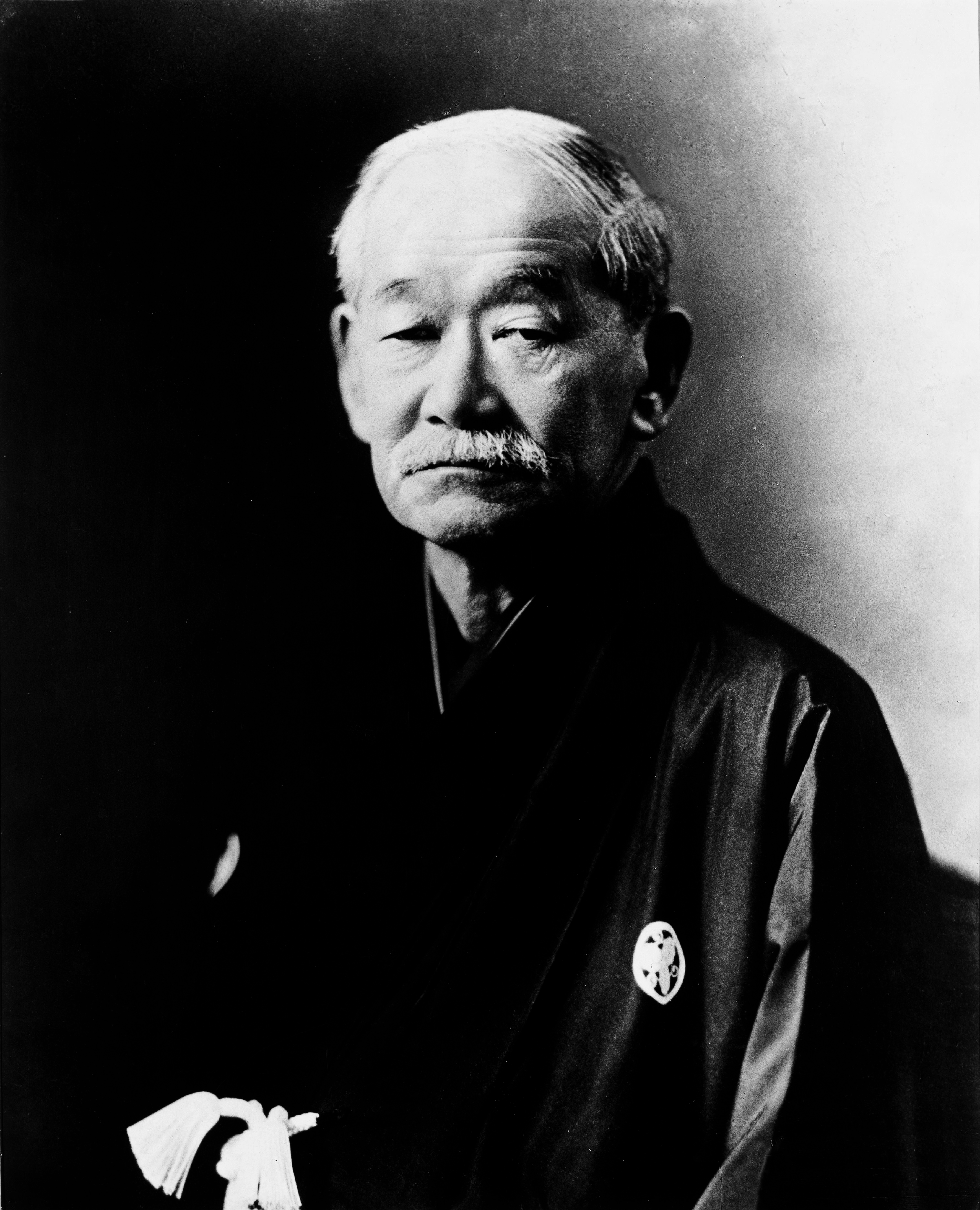
Jigoro Kano
Inspired by nature
Legend has it that a Japanese monk, watching snow-laden branches, noticed that rigid branches broke under the weight while flexible ones bent and let the snow slide off, then sprang back.
This image — softness overcomes strength — is at the heart of judo. Jigoro Kano drew on it to lay the foundations of a discipline where intelligent movement always prevails over physical power.
Judo in France
Judo arrived in France in the 1930s, brought by Japanese master Mikinosuke Kawaishi, who adapted the teaching for Western students by creating the colored belt system to mark student progress.
In December 1946, Paul Bonet-Maury founded the French Judo Federation. Since then, France has become one of the great judo nations in the world.